

The oven is one of the most frequently used appliances in many kitchens, yet it is often cleaned less regularly than worktops, sinks and hobs. Grease, food spills and burnt-on residue gradually collect on oven walls, shelves, trays and around the door. If this build-up is ignored the appliance can become unpleasant to use and increasingly difficult to clean.
For most households, arranging professional oven cleaning every six to twelve months is a sensible starting point. However, the right schedule depends on how frequently the oven is used, what is cooked and how much routine cleaning takes place between appointments.
Understanding the warning signs and maintaining a regular cleaning routine can help keep your oven looking presentable, smelling fresher and ready for everyday cooking.
Why Does Regular Oven Cleaning Matter?
Every time food is roasted, grilled or baked, small quantities of grease and food residue may be left inside the appliance. Fresh spills are generally easier to remove, but repeated heating causes them to harden onto the internal surfaces.
Regular cleaning can help to:
- Remove accumulated grease and burnt food
- Reduce unpleasant cooking smells
- Prevent old residue from producing smoke
- Improve the appearance of the appliance
- Maintain a cleaner food preparation environment
- Make routine maintenance more manageable
- Identify damaged seals or removable parts more easily
A dirty oven does not necessarily stop working immediately. Instead, the build-up usually develops gradually until it begins to affect the appearance and everyday use of the appliance.
How Often Should a Domestic Oven Be Cleaned?
There is no single cleaning interval that suits every home. A household that cooks several meals each day will naturally create more residue than someone who uses the oven only occasionally.
As a general guide:
Every Three to Six Months
More frequent professional cleaning may be useful for busy households where the oven is used daily. Families who regularly cook roasts, fatty foods, casseroles and dishes that bubble or splash may notice grease accumulating more quickly.
This schedule may also suit:
- Large families
- Shared accommodation
- Enthusiastic home cooks
- Households that use the grill frequently
- Properties where several people use the same kitchen
- Homes where the oven receives limited cleaning between uses
Every Six to Nine Months
A six- or nine-monthly clean can provide a practical balance for many households. It prevents heavy residue from being left for too long while allowing the appointment to be planned around regular household routines.
Some homeowners arrange cleaning before Christmas, family gatherings or other occasions when the oven will receive heavier use.
Once a Year
Annual professional oven cleaning may be sufficient for lightly used appliances that receive regular attention throughout the year. However, visible grease, smoke or unpleasant odours should be addressed when noticed rather than waiting for the scheduled appointment.
Professional cleaning can be arranged as a one-off service or as part of a regular maintenance plan.
Signs That Your Oven Needs Professional Cleaning
The calendar should not be the only factor used to decide when cleaning is necessary. The condition of the oven provides several useful warning signs.
1. Smoke Appears During Cooking
Old grease and food deposits can produce smoke when the oven reaches a high temperature. If smoke appears when nothing has spilled recently, residue inside the oven may be responsible.
The oven should be switched off and allowed to cool before the cause is investigated. Persistent or unexplained smoke may also indicate a technical problem requiring appropriate professional attention.
2. Unpleasant Smells Develop
Burnt food and grease can create lingering odours whenever the oven heats up. These smells may affect the atmosphere in the kitchen and sometimes interfere with the aroma of freshly prepared food.
Removing the underlying build-up is more effective than attempting to disguise the smell.
3. Grease Covers the Interior
Dark deposits on the walls, shelves, trays and door indicate that a thorough clean is due. Grease may also collect in corners and around fittings that are awkward to reach during basic household cleaning.
4. The Oven Door Is Difficult to See Through
A heavily marked glass door makes it harder to check food without opening the oven. Opening the door unnecessarily releases heat and interrupts the cooking process.
Professional cleaning can remove suitable deposits from accessible glass surfaces, subject to the construction and condition of the door.
5. Previous Cleaning Attempts Are No Longer Effective
Standard wiping may not remove residue that has been repeatedly heated. Excessive scrubbing or unsuitable tools can also risk damaging certain surfaces.
A trained oven cleaner can use methods and products appropriate for the appliance and the type of contamination present.
What Affects How Quickly an Oven Becomes Dirty?
Several everyday cooking habits influence the amount of residue that develops.
Frequency of Use
An oven used twice a day will generally require attention sooner than one used once or twice a week. The grill can create particularly stubborn deposits because grease may splash onto nearby surfaces.
Types of Food Cooked
Fatty foods, uncovered roasts and dishes containing sauces can produce more splashes than dry baking. Pies, casseroles and similar dishes may overflow if the container is too full.
Cleaning Spills Promptly
Removing fresh spills once the oven has cooled can slow the development of burnt-on residue. Leaving them in place means they are reheated during every future use.
Use of Suitable Trays and Containers
Deep trays and correctly sized cookware can help contain drips. Placing an appropriate baking tray beneath a dish may catch accidental overflow, provided this is compatible with the manufacturer’s instructions and does not obstruct airflow.
What Happens During Professional Oven Cleaning?
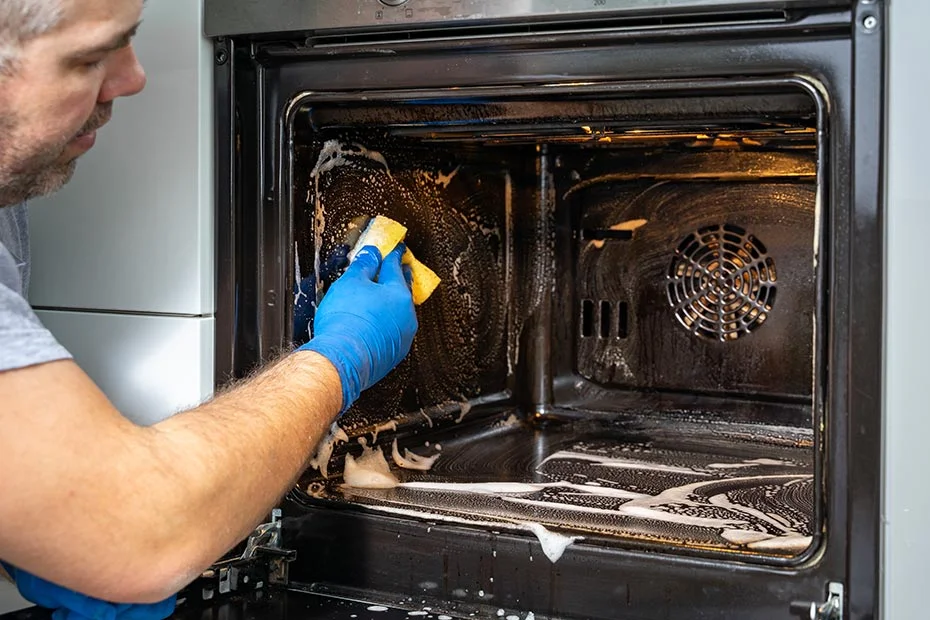
The precise process depends on the appliance, its condition and which parts can be removed safely. A professional oven cleaning service will normally begin with an inspection of the appliance.
Removable components may include:
- Oven shelves
- Side racks
- Grill pans
- Trays
- Compatible internal panels
These parts can be treated separately to loosen accumulated grease and carbon deposits. The cleaner will then work on accessible internal surfaces, the oven door and relevant fittings using suitable professional products and equipment.
A professional service may also include related cooking appliances such as hobs, range cookers, AGAs and extractor units when booked.
The purpose is to provide a thorough clean without homeowners having to spend hours scrubbing difficult areas themselves.
Can You Clean an Oven Between Professional Visits?
Professional cleaning works best when combined with simple ongoing care. You do not need to deep-clean the appliance after every use, but a few regular habits can prevent residue from becoming excessive.
Once the oven has cooled completely:
- Wipe away fresh splashes with a suitable soft cloth.
- Clean removable trays and shelves regularly.
- Check the base for fallen food.
- Wipe the door glass using an appliance-appropriate product.
- Avoid abrasive tools that could scratch the surface.
- Follow the oven manufacturer’s cleaning instructions.
- Never apply products to heating elements or sensitive components unless specifically permitted.
If the appliance has a self-cleaning function, read the manufacturer’s guidance carefully before using it. Different ovens use different cleaning systems, and removable accessories may need to be taken out first.
Do Hobs and Extractors Need Cleaning Too?
Cleaning the oven while ignoring the surrounding appliances can leave the kitchen only partially refreshed.
Hobs collect boiled-over liquids, oil and food debris. The correct cleaning method depends on whether the surface is gas, electric, ceramic or induction. Abrasive cleaning can damage some finishes, so suitable products should always be used.
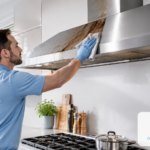
Extractor fans and filters collect airborne grease generated during cooking. When grease builds up, the extractor can look dirty and may produce unpleasant smells. Some filters are washable, while others require replacement according to the manufacturer’s recommendations.
Range cookers and AGAs may contain several ovens, hotplates and removable parts, making professional cleaning particularly convenient.
When Is the Best Time to Book Oven Cleaning?
Professional oven cleaning can be arranged whenever noticeable build-up appears, but certain occasions make especially useful booking points:
- Before Christmas or another major celebration
- After a period of frequent entertaining
- Before moving into or out of a property
- At the beginning of a tenancy
- Before placing a home on the market
- After renovation or decorating work
- As part of a six, nine or twelve-month maintenance routine
Booking before a busy cooking period means the appliance is clean and ready when it is needed most.
Professional Oven Cleaning in Dorset and Surrounding Areas
The ideal oven cleaning frequency depends on your household, but waiting until the appliance is heavily coated in grease usually makes the task more difficult. Regular professional cleaning, supported by simple maintenance between visits, can keep the oven looking better and make it more pleasant to use.
Oven Cleaning Professionals provides specialist domestic oven cleaning across Dorset, Hampshire and South Wiltshire. Our trained technicians clean ovens as well as hobs, AGAs, range cookers and extractors.
We offer one-off appointments and regular six-monthly, nine-monthly or annual visits, allowing you to choose a schedule that suits your cooking habits and household.
Contact Oven Cleaning Professionals today for a free quotation or to arrange a convenient professional oven cleaning appointment.