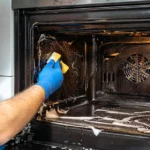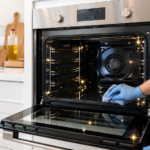



A kitchen extractor works quietly in the background to remove steam, cooking smells, smoke and airborne grease. Because much of the dirt collects inside the unit and its filters, it is easy to overlook the gradual build-up. Over time, however, grease and grime can restrict airflow, create unpleasant odours and make the extractor less effective.
Regular extractor cleaning helps keep the appliance hygienic and working efficiently. It also improves the appearance of the kitchen and prevents stubborn grease deposits from becoming increasingly difficult to remove.
At Oven Cleaning Professionals, we clean different types of kitchen extractors using suitable techniques and specialist products. Our experienced operatives handle the messy work, helping homeowners enjoy a cleaner, fresher and more pleasant cooking environment.
What Does a Kitchen Extractor Do?
A kitchen extractor is designed to capture airborne contaminants produced during cooking. Depending on its design, it may vent extracted air outside or pass it through filters before recirculating it into the room.
During everyday cooking, the extractor may collect:
- Grease released from frying and roasting
- Steam and excess moisture
- Smoke from cooking
- Strong food odours
- Dust mixed with grease particles
- Residue from oils and sauces
Filters capture a considerable amount of this contamination before it reaches internal components or travels around the kitchen. However, their ability to do so may decline when they become heavily coated.
Why Do Extractors Become Greasy?
When cooking oils are heated, tiny grease particles become airborne. The extractor draws these particles towards its filters, where they cool and settle. Repeated cooking creates layer upon layer of sticky residue.
This residue can attract dust and other particles, creating a thick coating on the filter, housing and accessible internal surfaces. Grease may also collect around control buttons, lights, seams and the underside of the extractor.
High-temperature frying, frequent cooking and limited cleaning can accelerate the build-up. Even kitchens that appear clean may have substantial grease hidden inside the extractor filters.
Signs Your Extractor Needs Cleaning
Extractor contamination usually develops gradually, so a reduction in performance may not be immediately obvious. Regularly checking the unit can help identify when professional cleaning is needed.
Common warning signs include:
- Visible grease on the filters or exterior
- Sticky surfaces around the extractor
- Cooking smells remaining for longer
- Reduced suction or airflow
- Increased noise during operation
- Grease dripping from the filter area
- Discoloured metal filters
- Dust gathering on oily surfaces
- Smoke taking longer to clear
- An unpleasant stale-grease smell
An extractor that appears clean externally may still contain clogged filters. Cleaning should therefore include the appropriate removable and accessible parts, not only the visible outer surface.
How Dirty Filters Affect Performance
Filters need open spaces through which air can pass. When grease blocks these spaces, the extractor must work against greater resistance. This can reduce its ability to capture steam, smoke, odours and grease particles.
Restricted extraction may allow more airborne residue to settle on cupboards, walls, ceilings and kitchen surfaces. These deposits can leave the room feeling greasy and increase the amount of general cleaning required.
A struggling extractor may also sound louder than usual. Cleaning cannot repair a mechanical or electrical fault, but removing accumulated contamination can help a serviceable unit operate more effectively.
If performance remains poor after cleaning, the appliance may need to be checked by an appropriately qualified technician.
Hygiene Benefits of Extractor Cleaning
Old cooking grease can become sticky, discoloured and unpleasant-smelling. Because it is positioned above the hob, contamination may be exposed to warmth whenever cooking takes place.
Cleaning the extractor removes deposits that can otherwise contribute to stale kitchen odours. It also makes surrounding surfaces easier to maintain and reduces the likelihood of grease dripping from heavily contaminated filters.
Extractor cleaning should form part of wider kitchen hygiene alongside cleaning ovens, hobs, splashbacks and worktops. Together, these measures create a fresher and more presentable cooking space.
Grease and Fire Safety
Cooking grease is combustible. A heavily contaminated extractor may contain grease deposits close to heat-producing cooking appliances, making regular cleaning an important precaution.
Extractor cleaning alone cannot remove every fire risk from a kitchen. Safe cooking habits, correctly installed appliances and appropriate maintenance remain essential. Never leave hot oil unattended, and ensure that faults, unusual smells or damaged components are investigated promptly.
In commercial kitchens, extraction systems may be subject to specific inspection, cleaning and fire-safety requirements. Businesses should follow their risk assessments, insurer conditions and applicable professional guidance.
Different Types of Extractor Filters
The correct cleaning approach depends partly on the filter fitted inside the appliance.
Metal Grease Filters
Reusable metal mesh or baffle filters capture airborne grease. These can usually be removed and cleaned, although the manufacturer’s instructions should always be followed. Thick grease may require specialist degreasing and careful agitation.
Disposable Filters
Some extractors use disposable grease filters made from fibre, paper or similar material. These are generally replaced rather than washed. A professional can help identify when replacement is the appropriate option.
Carbon Filters
Recirculating extractors often contain activated carbon filters designed to reduce cooking odours. Standard carbon filters are normally replaced periodically, although certain specialist versions may be maintained differently. The appliance manufacturer’s guidance should determine the correct procedure.
Using an unsuitable method may damage a filter or reduce its effectiveness, so it is important to identify the type before cleaning begins.
What Does Professional Extractor Cleaning Include?
The precise process depends on the extractor’s design, accessibility and level of contamination. A typical professional service begins with an assessment of the appliance and its removable components.
The cleaning process may include:
- Protecting the hob and nearby kitchen surfaces.
- Disconnecting or isolating the appliance where appropriate.
- Removing washable grease filters carefully.
- Applying suitable degreasing products.
- Loosening accumulated grease and grime.
- Cleaning accessible internal surfaces safely.
- Cleaning the exterior housing and controls.
- Rinsing and drying washable components thoroughly.
- Reassembling the extractor correctly.
- Checking its general operation after cleaning.
Electrical components, motors and wiring must not be saturated with water or cleaning chemicals. Professional operatives understand how to clean accessible areas while taking appropriate care around sensitive components.
Cleaning also does not replace servicing or repair. Loose wiring, faulty lighting, unusual noises or motor problems should be handled by a qualified appliance or electrical specialist.
Why Choose Professional Extractor Cleaning?
Cleaning an extractor can be more difficult than expected. Grease is often thick, sticky and located inside narrow mesh filters or awkward areas above the hob. Ordinary household sprays may remove light surface marks but struggle with established deposits.
Professional extractor cleaning offers several advantages:
- Suitable products for stubborn grease
- Knowledge of different extractor designs
- Careful handling of removable filters
- Cleaning of difficult accessible areas
- Less mess and inconvenience for the homeowner
- Improved appearance and hygiene
- Reduced risk of using unsuitable products
- Time saved on a demanding cleaning task
A professional service is particularly useful when an extractor has not been cleaned for a long period or when grease remains after normal household cleaning.
How Often Should an Extractor Be Cleaned?
There is no single cleaning interval suitable for every home. The frequency depends on how often the kitchen is used, the type of cooking undertaken and the extractor model.
A household that frequently fries food may need cleaning more often than one that cooks only occasionally. Visible grease, lingering odours or reduced airflow indicate that attention may already be required.
The external surface can be wiped regularly using a product suitable for its finish. Filters should be inspected periodically and cleaned or replaced in accordance with the manufacturer’s instructions. Regular attention prevents contamination from becoming heavily established.
Keeping the Extractor Cleaner Between Services
Simple habits can help reduce excessive build-up:
- Switch the extractor on before cooking
- Use an appropriate extraction setting
- Keep it running briefly after cooking
- Use lids on pans when practical
- Wipe fresh splashes before they harden
- Inspect grease filters regularly
- Replace carbon or disposable filters when required
- Follow the appliance manufacturer’s instructions
- Avoid abrasive products on delicate finishes
- Arrange cleaning before grease becomes excessive
These measures do not eliminate the need for deeper cleaning, but they can help maintain the extractor between professional visits.
Arrange Professional Extractor Cleaning
A clean extractor contributes to a fresher, more hygienic and pleasant kitchen. By removing built-up grease and grime, professional cleaning can help restore the appearance of the appliance and support effective removal of cooking smells, smoke and airborne grease.
At Oven Cleaning Professionals, our knowledgeable operatives clean a wide range of kitchen extractors and understand the challenges associated with different filters and designs. We use appropriate techniques and products to achieve a thorough, professional result.
Save yourself the time, effort and mess of tackling stubborn extractor grease. Contact Oven Cleaning Professionals today to arrange professional extractor cleaning and enjoy the peace of mind that the work has been completed carefully.